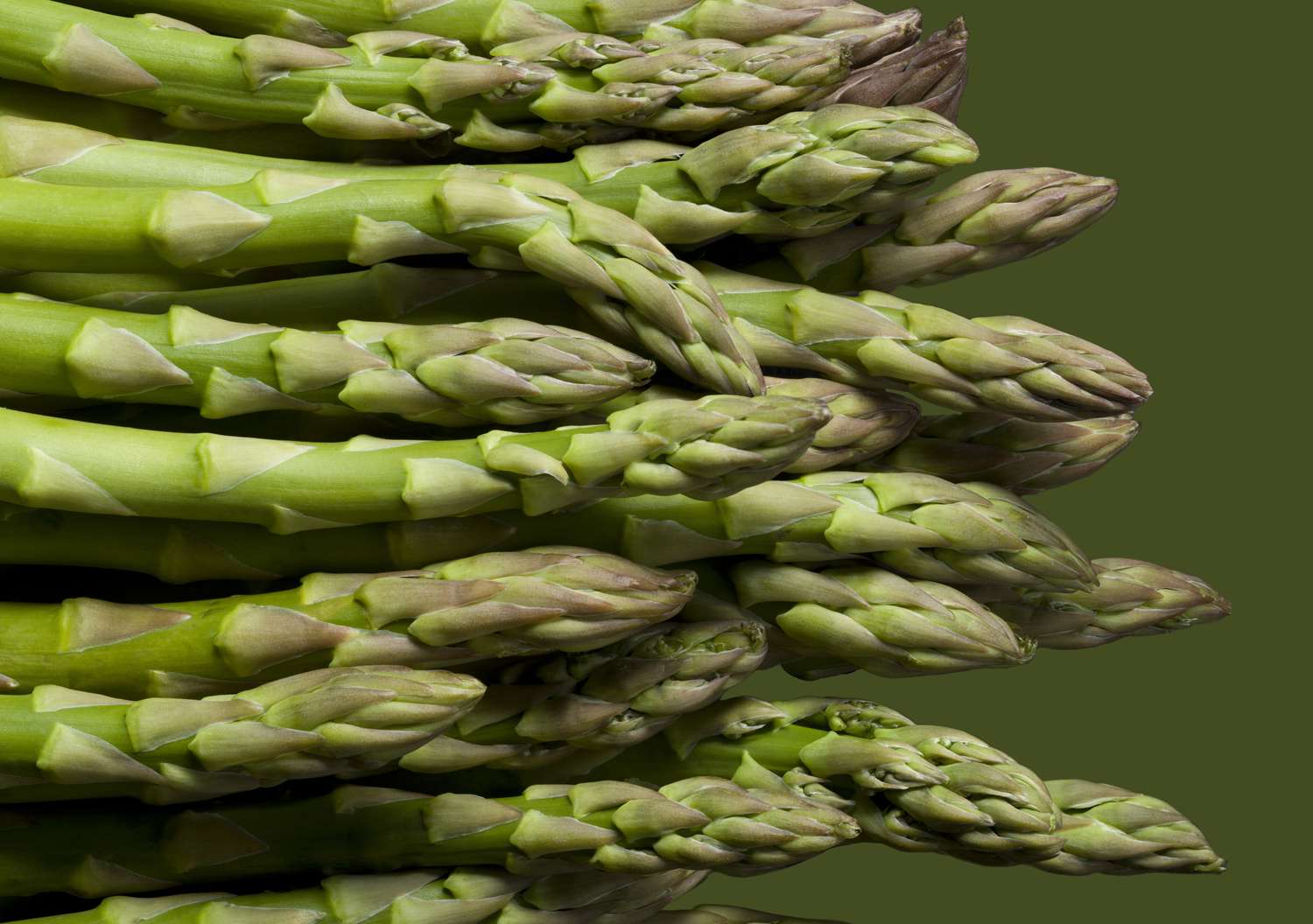
Asparagus: A Timeless Delicacy with Enduring Health Benefits
From the lush fields of ancient civilizations to modern dinner tables, asparagus has captivated palates and nourished bodies for millennia. This vibrant green (or sometimes white or purple) spear is far more than just a seasonal vegetable; it's a perennial powerhouse packed with history, flavor, and an impressive array of health-promoting nutrients. Often heralded as a sign of spring's arrival, asparagus offers a unique blend of delicate taste and robust nutritional value, solidifying its status as a true superfood.
A Journey Through Time: The Ancient Roots of Asparagus
The story of Asparagus officinalis, commonly known as garden asparagus, stretches back over 2,500 years, intertwining with the very fabric of human history. Native to Europe, western Asia, and North Africa, this remarkable plant quickly became a cherished crop for its culinary appeal and purported medicinal properties. Ancient civilizations, including the Greeks, Romans, and Egyptians, were among the first to recognize its value. They weren't just enjoying its distinctive flavor; they were also leveraging its diuretic qualities, often prescribing it for urinary ailments and as a general tonic.
The enduring popularity of asparagus meant its cultivation spread far beyond its native lands. Its robust root system, featuring crowns and rhizomes, allows the plant to produce harvests for a decade or more under optimal conditions, making it a reliable and treasured part of agricultural traditions across continents. Thriving in well-drained, sandy soils with a neutral to slightly alkaline pH (6.5 to 7.5), and preferring full sun exposure with moderate temperatures, asparagus proved to be a hardy crop adaptable to various temperate climates. Today, its global footprint is immense, with major production occurring in countries like China, Peru, Mexico, and the United States, bringing this historical delicacy to kitchens worldwide.
Anatomy of a Superfood: Understanding the Asparagus Plant
Understanding the asparagus plant itself reveals why it's such a resilient and rewarding crop. Asparagus officinalis is a perennial flowering plant belonging to the family Asparagaceae. What we commonly eat are its tender young shoots, or "spears," which emerge from underground crowns in the spring once soil temperatures exceed 50 degrees Fahrenheit. These spears are actually young stems, initially stout and upright, growing from the robust root system.
If left unharvested, these spears mature into tall, fern-like foliage, reaching heights of up to 6 feet (150 cm) during the summer growth phase. This feathery, multi-branched structure, composed of modified branchlets called cladodes (which act as the primary photosynthetic organs), is crucial for replenishing the plant's energy stores for the following year's harvest. True leaves on asparagus are reduced to small, scale-like structures along the stems. The plant is also typically dioecious, meaning it bears male and female flowers on separate plants, with small, bell-shaped flowers giving way to small red berries on female plants. This intricate growth cycle and its ability to regenerate year after year underscore why asparagus has been a staple for so long, providing consistent harvests for 10 to 15 years or even longer in ideal settings.
Green vs. White: A Tale of Two Spears (and Beyond)
While "asparagus" often conjures images of vibrant green stalks, the culinary world celebrates diverse varieties, primarily distinguishing between green and white asparagus, and occasionally purple. The differences lie not in separate species, but largely in cultivation methods, which dramatically influence their flavor, texture, and nutritional profile.
- Green Asparagus: This is the most common variety in North America, harvested after it grows above ground and is exposed to sunlight. This exposure allows for chlorophyll development, giving it its characteristic vibrant green hue and a bolder, grassier, more robust flavor. Its texture is firm yet tender. Nutritionally, green asparagus tends to have higher levels of certain antioxidants, such as rutin, directly due to its exposure to sunlight.
- White Asparagus: A prized delicacy in Europe, particularly Germany, white asparagus is cultivated through a process called "blanching." Farmers mound soil around the emerging spears, preventing any exposure to sunlight. This lack of photosynthesis means no chlorophyll develops, resulting in its pale, almost ghostly white color. The absence of light also yields a milder, sweeter, and more delicate flavor with a notably tenderer texture. Harvesting white asparagus is more labor-intensive, contributing to its status as a gourmet item.
- Purple Asparagus: Though not as widespread, purple asparagus offers a sweeter, fruitier flavor and a tender texture. Its vibrant color comes from anthocyanins, powerful antioxidants. However, much of this beautiful purple can fade to green upon cooking.
The choice between green and white asparagus often boils down to individual taste preference, but each offers a unique culinary experience. For a deeper dive into their unique characteristics, including taste, nutrition, and global appeal, explore Green vs. White Asparagus: Taste, Nutrition, and Global Appeal.
Unearthing the Health Powerhouse: Asparagus's Nutritional Bounty
Beyond its delightful taste and intriguing history, asparagus truly shines as a nutritional powerhouse, solidifying its reputation as a "superfood." It's remarkably low in calories, with approximately 20 kcal per 100 grams, making it an excellent choice for health-conscious diets. Yet, despite its low caloric density, it's packed with a wealth of essential vitamins, minerals, and other beneficial compounds.
Key Nutritional Highlights:
- Vitamins Galore: Asparagus is an excellent source of Vitamin K, crucial for blood clotting and bone health; Vitamin A (in the form of beta-carotene), vital for vision, immune function, and skin health; Vitamin C, a powerful antioxidant that supports the immune system and collagen production; and Vitamin E, another antioxidant that protects cells from damage. It's also exceptionally rich in Folate (Vitamin B9), which is essential for cell growth, DNA synthesis, and proper brain function, and particularly important during pregnancy.
- Mineral Rich: This green spear provides important minerals such as Iron, necessary for oxygen transport in the blood and energy production, and Potassium, a key electrolyte that helps regulate blood pressure and fluid balance.
- Dietary Fiber: High in dietary fiber, asparagus aids in digestive health, promoting regularity and contributing to a feeling of fullness, which can support weight management.
- Antioxidant Power: Asparagus is brimming with various antioxidants, including flavonoids (like rutin, particularly in green asparagus), polyphenols, and glutathione. These compounds help combat oxidative stress in the body, protecting cells from damage caused by free radicals and potentially reducing the risk of chronic diseases.
The historical recognition of asparagus for its diuretic properties holds true, attributed to specific compounds that stimulate kidney function. Moreover, its blend of folate, potassium, and antioxidants contributes to cardiovascular health, while its fiber and prebiotics can support a healthy gut microbiome. For a deeper dive into its journey from a seasonal delight to a health-boosting staple, explore The Asparagus Story: From Spring Delicacy to Superfood Powerhouse.
Enjoying Asparagus: Tips for Selection, Preparation, and Culinary Delights
Part of what makes asparagus so special is its limited season. While it's available year-round in some regions thanks to global trade, purists eagerly await its true peak season in spring, typically from late February to June, with April and May often considered the prime months for the freshest, most flavorful spears. Enjoying asparagus at its seasonal best is a true culinary delight.
Selecting the Best Asparagus:
When choosing asparagus, look for:
- Firmness: Stalks should be firm and stand upright. Avoid limp or bendy spears.
- Color: Green asparagus should have a vibrant, uniform green color, fading slightly towards the bottom. White asparagus should be creamy white.
- Tips: The tips should be closed, compact, and free from any sliminess or spreading.
- Scent: Fresh asparagus should have a mild, earthy smell.
Preparation and Cooking Tips:
Asparagus needs minimal preparation to shine. The most common step is to snap off the woody ends. Simply hold a spear gently and bend it towards the stalk end; it will naturally break where the tough, fibrous part meets the tender, edible section. This ensures you're only left with the most palatable portion. Wash the spears thoroughly under cold running water.
Versatility is a hallmark of asparagus in the kitchen. Here are a few popular and delicious ways to prepare it:
- Roasting: Toss with olive oil, salt, and pepper, then roast at 400°F (200°C) for 8-12 minutes until tender-crisp. Roasting caramelizes its natural sugars, enhancing its flavor.
- Grilling: Brush with olive oil and grill over medium-high heat for 3-5 minutes per side for a smoky char.
- Steaming or Blanching: For a delicate flavor and vibrant color, steam or blanch in boiling salted water for 2-4 minutes until bright green and tender-crisp. Plunge into ice water immediately after blanching to stop the cooking process.
- Sautéing: Quickly sauté in a pan with a knob of butter or olive oil, garlic, and a squeeze of lemon juice for a quick and easy side.
Asparagus pairs wonderfully with eggs, lemon, Parmesan cheese, hollandaise sauce, and various proteins like fish, chicken, and beef. Don't be surprised if you notice a distinctive odor in your urine after eating asparagus; this common phenomenon is due to the body metabolizing asparagusic acid, a harmless and temporary effect.
Conclusion
From its ancient origins as a prized medicinal plant to its modern-day status as a beloved culinary staple and nutritional powerhouse, asparagus truly holds a unique place in our food culture. Its rich history, impressive array of vitamins, minerals, and antioxidants, coupled with its versatile culinary applications, make it an indispensable part of a healthy and flavorful diet. As spring rolls around, embrace the opportunity to enjoy this vibrant, tender spear. Whether roasted to perfection, gently steamed, or incorporated into a gourmet dish, asparagus offers a taste of history and a bounty of benefits that continue to delight and nourish us across generations.
