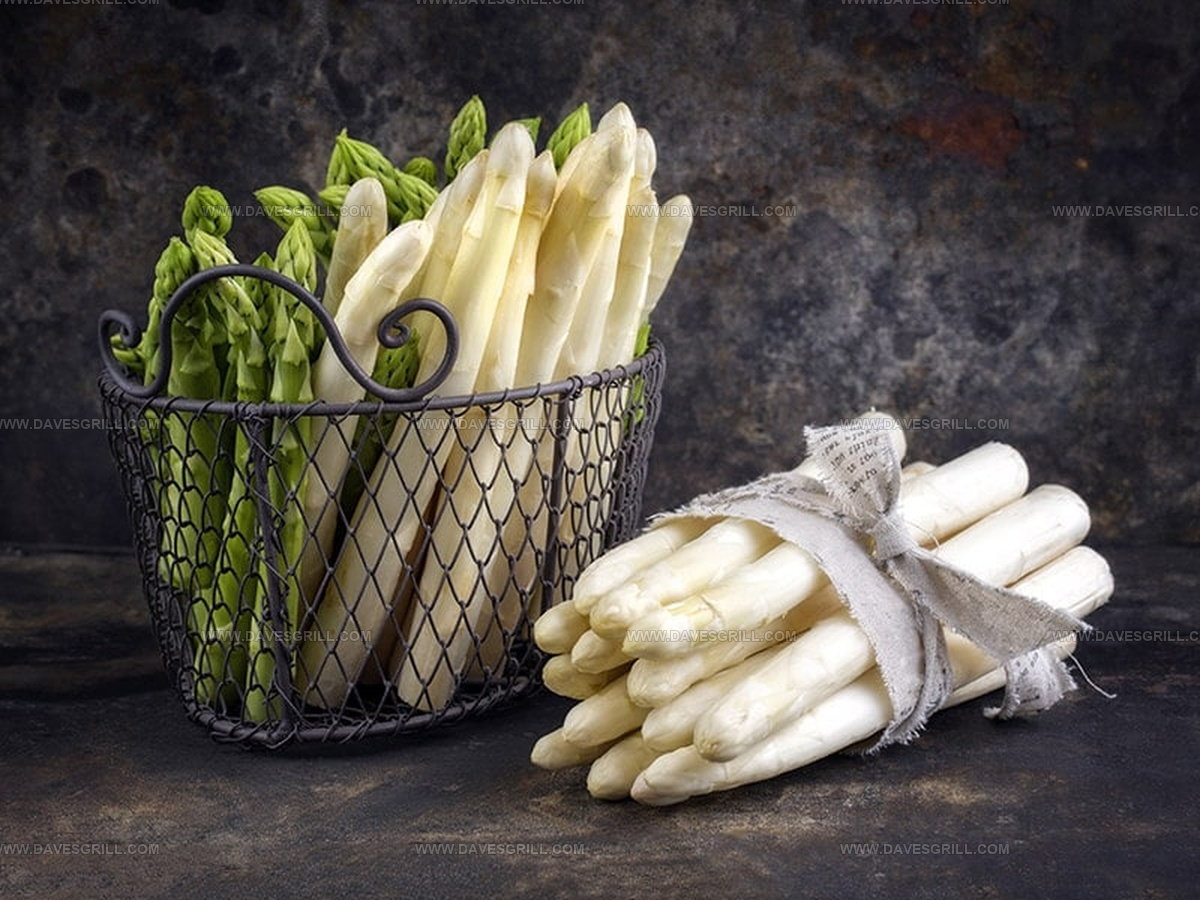
A true harbinger of spring, asparagus has captivated palates for millennia, evolving from an ancient medicinal herb to a global culinary delicacy. This versatile perennial, Asparagus officinalis, is celebrated not only for its distinctive flavor but also for its impressive nutritional profile. While many are familiar with the vibrant green spears that adorn springtime menus, fewer may realize that another prominent variety, white asparagus, offers a strikingly different gastronomic experience. Understanding the nuances between these two popular forms of asparagus can elevate your appreciation and culinary choices. Let's delve into the fascinating world of green versus white asparagus, exploring their tastes, nutritional benefits, cultivation methods, and widespread appeal.
The Asparagus Story: From Ancient Roots to Modern Tables
The journey of asparagus is a long and storied one, dating back over 2,500 years to ancient civilizations in Europe, Western Asia, and North Africa. Revered by Greeks, Romans, and Egyptians, it was prized not just for its culinary applications but also for its perceived medicinal properties, particularly its diuretic qualities. This hardy plant, characterized by a robust root system capable of producing harvests for 10 to 15 years, thrives in temperate climates with specific soil and sun requirements. Its fern-like foliage can grow quite tall during summer, supporting the production of those coveted edible young shoots in spring. Today, asparagus is a global crop, with major producers ranging from China and Peru to Mexico and the United States, showcasing the plant's remarkable adaptability and enduring popularity. For more on its historical journey and health benefits, you might enjoy Asparagus: Discover Its Rich History and Potent Health Benefits.
Green Asparagus: The Robust Springtime Classic
In many parts of the world, particularly North America, green asparagus is the quintessential spring vegetable. Its vibrant emerald hue is a direct result of sunlight exposure during growth. As the young shoots, or spears, emerge from the soil and bask in the sun, they naturally develop chlorophyll, giving them their characteristic color. This sun-kissed cultivation method contributes significantly to its flavor profile:
- Taste: Green asparagus boasts a bolder, more pronounced flavor. It's often described as earthy, grassy, and slightly bitter, with a distinct "asparagus" taste that many find incredibly satisfying.
- Texture: When properly cooked, green asparagus offers a firm yet tender bite. The stalks can range from slender to thick, with thinner spears typically being more tender.
- Nutritional Edge: Due to its exposure to sunlight, green asparagus tends to have higher levels of certain antioxidants, such as rutin, which is a powerful flavonoid. It's also rich in vitamins A, C, E, K, folate, dietary fiber, and minerals like iron and potassium.
Green asparagus is incredibly versatile in the kitchen, lending itself well to grilling, roasting, steaming, and sautéing. Its robust flavor stands up beautifully to bold seasonings and can complement a wide array of dishes, from simple side dishes to complex gourmet creations.
White Asparagus: Europe's Delicacy Unveiled
A true connoisseur's delight, white asparagus is a prized delicacy, particularly in Europe, where it’s often referred to as "white gold," especially during its peak season (Spargelzeit) in Germany. The striking difference in color and flavor between white and green asparagus stems entirely from its unique cultivation method. To achieve its pale, ivory appearance, white asparagus is grown through a process called blanching or etiolation. As the spears emerge from the ground, they are immediately mounded with soil, preventing any exposure to sunlight. This lack of light inhibits the development of chlorophyll, resulting in its distinctive white color.
- Taste: Without chlorophyll, white asparagus develops a noticeably milder, sweeter, and more delicate flavor compared to its green counterpart. Some describe subtle nutty undertones and a less fibrous taste.
- Texture: White asparagus is generally more tender and less fibrous than green, often yielding a melt-in-your-mouth texture when cooked. This tenderness also means it can sometimes require a bit more careful handling.
- Cultural Significance: In many European countries, particularly Germany, Austria, and Switzerland, white asparagus is celebrated with dedicated festivals and special menus during its short spring season. It's often served simply with hollandaise sauce, melted butter, new potatoes, or ham, allowing its delicate flavor to shine.
While green asparagus might be preferred in North America for its bold taste, the refined elegance of white asparagus continues to captivate palates across the Atlantic, showcasing a fascinating divergence in culinary preferences and tradition.
Taste, Texture, and Nutritional Showdown: Green vs. White Asparagus
When it comes to a head-to-head comparison, the choice between green and white asparagus often comes down to personal preference and the intended culinary application.
- Flavor Profile: If you seek a punchy, earthy, and distinctly "asparagus" taste, green asparagus is your go-to. Its bolder notes can stand up to stronger flavors in a dish. For those who prefer a more subdued, sweeter, and nuanced vegetable, white asparagus offers an elegant alternative. Its delicate flavor can be easily overwhelmed, so it shines best in simpler preparations.
- Texture Differences: Green asparagus typically has a slightly firmer, snappier texture, especially when cooked al dente. White asparagus, due to its protected growth, is generally more tender and less fibrous. This tenderness can make it feel more luxurious on the palate.
- Nutritional Nuances: Both varieties are undoubtedly healthy superfoods, low in calories (around 20 kcal per 100g) and packed with essential nutrients. They are excellent sources of dietary fiber, vitamins A, C, E, and K, as well as folate and minerals like iron and potassium. The key nutritional difference lies in specific antioxidant levels. Green asparagus, exposed to sunlight, tends to have higher concentrations of certain antioxidants, such as rutin. However, both contribute significantly to a healthy, antioxidant-rich diet. For a deeper dive into its health benefits, explore The Asparagus Story: From Spring Delicacy to Superfood Powerhouse.
The decision often hinges on what you’re cooking. Green asparagus excels in stir-fries, quiches, and as a vibrant roasted side. White asparagus is exquisite steamed or boiled and served with a rich sauce, acting as the star of a sophisticated meal.
Practical Tips for Enjoying Asparagus
Regardless of color, enjoying fresh asparagus at its best requires a few simple steps:
- Seasonality Matters: While available year-round from various global sources, asparagus is truly best enjoyed during its peak season, which typically runs from late February to June, with April and May being prime months. In-season spears offer superior flavor and tenderness.
- Selection: Look for firm, bright spears with tightly closed, compact tips. Avoid spears that are wilted, dull in color, or have splayed tips. The cut ends should appear moist, not dry or woody.
- Storage: To keep asparagus fresh, trim about half an inch off the bottoms and stand the spears upright in a glass with about an inch of water. Cover loosely with a plastic bag and refrigerate. This method can keep them fresh for several days.
- Preparation: The woody bottom ends of asparagus spears are inedible. The easiest way to remove them is to gently bend a spear until it naturally snaps. It will break where the tough part ends and the tender part begins. Alternatively, you can trim about an inch or two from the bottom with a knife. For white asparagus, it's often recommended to peel the lower half of the spear before cooking, as the skin can be slightly tougher than green varieties.
- Cooking: Whether you prefer green or white, avoid overcooking. Asparagus should be tender-crisp. Steaming, roasting, grilling, or blanching are all excellent methods.
Conclusion: Celebrating Asparagus in All Its Forms
Whether you're drawn to the vibrant, robust flavor of green asparagus or the delicate, sweet elegance of white asparagus, both varieties offer a unique and rewarding culinary experience. These spring sensations, each with their own distinct characteristics shaped by cultivation and sunlight, contribute significantly to a healthy diet and bring a touch of gourmet sophistication to any table. Exploring the differences in taste, texture, and nutritional nuances not only enhances your culinary repertoire but also deepens your appreciation for this ancient and globally cherished vegetable. So, next spring, embrace the season's bounty and savor the delightful versatility of both green and white asparagus.
